
Available On Demand
(Certificate Provided)
We have received several inquiries regarding the Missouri state requirement for 2 hours of infection control education mandated every 2 years for license renewal in podiatry.
The 2-hour educational requirement for infection control will be presented at the Missouri State Podiatric Medical Association annual scientific meeting in Kansas City this August. You are encouraged to attend the annual meeting. The required 2-hour session is a part of the CME program at this year's state meeting.
Also recall that the regulations require appropriate training of the relevant office staff in the subject of infection control, and that you maintain documentation of such training for your office staff.
In the event that you are unable to attend the annual meeting in Kansas City, you may satisfy the requirement for 2 hours of continuing medical education on the subject of infection control online. Office staff members may similarly engage the 2-hour session to satisfy the regulatory requirement for office staff training in infection control, they may attend the Missouri state meeting, or you may provide documented instruction of them in infection control by other means.
Again, you are encouraged to attend the Missouri State Podiatric Medical Association annual meeting. However, we will be able to provide you with the same two-hour educational session as an option if you are unable to attend.
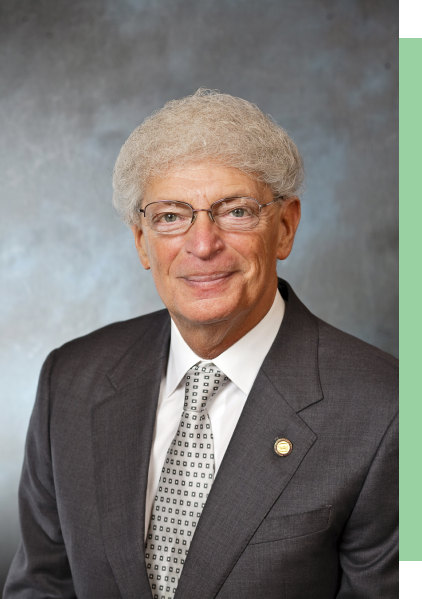
Presented by Dr. Allen M. Jacobs, DPM
Saturday, September 19, 2026
8:00am - 6:00pm
Neurologic disorders of the foot and ankle are a commonly encountered problem in the office of the average primary care podiatric physician. These disorders present with a wide range from interdigital neuroma to polyneuropathy. The diagnosis and management of foot and ankle neurologic problems is an issue not commonly discussed in post graduate educational programs, primarily because there are no corporations which would benefit from increased sales of products for the diagnosis and treatment of these disorders. Nevertheless, neurologic pathology intrinsic to the foot and ankle is not uncommon. Recent advances in our understanding of the etiology these disorders, diagnostic testing, and treatment of these disorders is frequently unappreciated.
This program is dedicated to advancing the ability of the primary care podiatric physician to diagnose and treat these not-uncommon disorders. The program will review basic principles as well as advanced concepts regarding the diagnosis and treatment of entities such as intermetatarsal neuroma, posterior tarsal tunnel, anterior tarsal tunnel, and soleal sling syndrome. The role of concurrent pathology such as spinal stenosis in complicating the treatment of intrinsic foot neurologic pathology will be presented for consideration. Special emphasis will be placed on surgically related nerve injury, a not uncommon complication and frequent cause for malpractice litigation. Discussions will include elucidation of iatrogenic nerve injuries, complex regional pain syndrome, and CRPS like post operative complications.
A unique session will be held on psychological and psychiatric problems which may complicate the results of otherwise technically successful surgeries, such as anxiety, depression, somatization disorders, and catastrophizing. Strategies for the recognition of these patients and recommendations for management of these patients will be reviewed.
Relevant CPT, ICD-10, and practice management considerations will be offered when appropriate.
his activity has been planned and implemented in accordance with the standards and requirements for approval of providers of continuing education in podiatric medicine through a joint provider agreement between CME Online and St. Louis Podiatry Seminar, Inc. CME Online is approved by the Council on Podiatric Medical Education as a provider of continuing education in podiatric medicine.
CME Online has approved this activity for a maximum of 8.50 continuing education contact hours.
Presented by Dr. Allen M. Jacobs, DPM